Musculoskeletal Physiotherapy in Bundaberg

Get in Touch
Thank you for contacting Bourbong Street Physiotherapy Centre.
We will get back to you as soon as possible.
Oops, there was an error sending your message.
Please try again later.

A Holistic Approach to Recovery
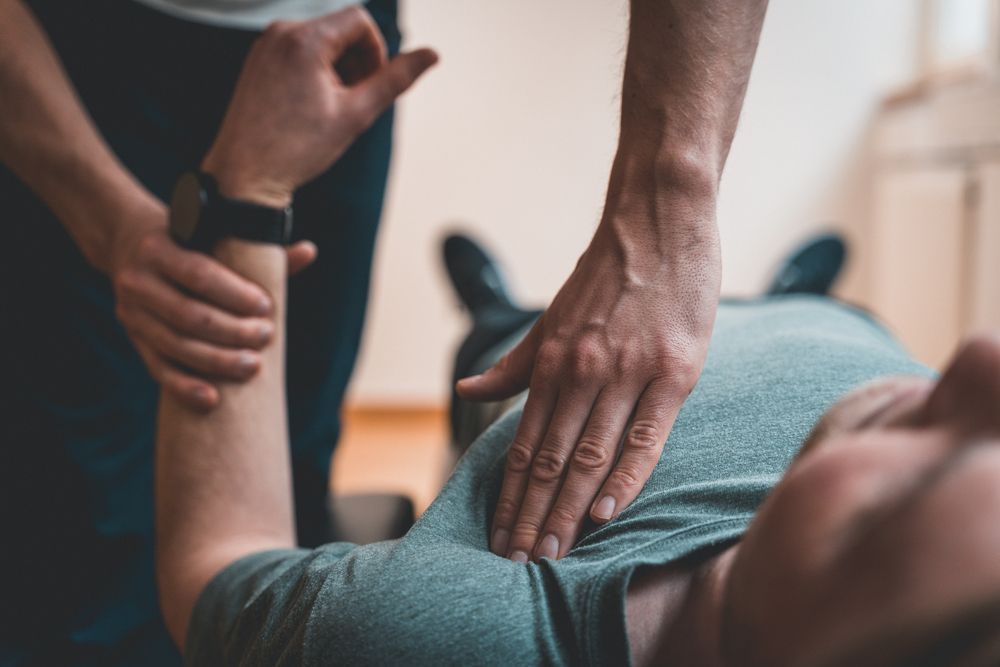
At Bourbong Street Physiotherapy Centre, we use musculoskeletal physiotherapy with aquatic physiotherapy to help people manage sprains, strains and fractures. Aquatic physiotherapy can be an effective option because the water provides support and buoyancy, which can help offload weight from the injured area and reduce discomfort. The warmth of the water can also help relax muscles and improve blood flow to the affected area, which may support the healing process.
Exercise in water can often be easier and less painful than exercise on land. This can make it more achievable for people to continue with their rehabilitation program at a steady pace. We guide each person through exercises that suit their injury and movement capacity.
To book this service in Bundaberg, call (07) 4153 6474.
What Our Clients Say
Helping Support Wellbeing
Aquatic physiotherapy can be used as part of musculoskeletal physiotherapy in a holistic approach to recovery after injury or surgery. At Bourbong Street Physiotherapy Centre, we use water-based exercise to support physical fitness while also aiming for emotional wellbeing.
The calming effects of the water can help people relax and reduce stress, which may assist the healing process and improve overall comfort.
We aim to provide:
- A supportive environment for people hesitant to exercise on land
- Warmth that helps reduce tension & discomfort
- Resistance that allows controlled strengthening
- A calming setting that supports confidence with movement
- Assistance with motivation during early rehabilitation
If you would like more information about this service, you’re welcome to contact our team.
Can aquatic physiotherapy be helpful for sports injuries?
Yes, aquatic physiotherapy can be helpful for sports injuries, including strains, sprains and fractures. The water can help to support and protect the injured area while you exercise and speed up the healing process. Aquatic physiotherapy can also be used as part of your rehabilitation following surgery.
Is there a difference between aquatic physiotherapy and hydrotherapy?
Aquatic physiotherapy and hydrotherapy are often used interchangeably, but there is a slight difference between the two. Aquatic physiotherapy is a form of physiotherapy that uses water primarily as a medium for rehabilitation. Hydrotherapy also uses water, but it focuses more on the exercise aspect.
Is aquatic physiotherapy safe?
Aquatic physiotherapy is a safe and effective form of treatment, but as with any type of exercise, there are some risks involved, particularly if you have a pre-existing medical condition. It's important to speak to your physiotherapist who will be able to advise you on whether aquatic physiotherapy is right for you.
Can children benefit from aquatic physiotherapy?
Yes, aquatic physiotherapy can be a fun and enjoyable alternative for children to get moving and exercise, particularly if they are restricted by a physical disability. Water provides a unique environment that can help facilitate movement, while also providing support and resistance. This can be especially beneficial for children who have difficulty with weight-bearing activities or who are working on improving their motor skills.