
Osteoporosis Physiotherapy in Bundaberg

Get in Touch
Thank you for contacting Bourbong Street Physiotherapy Centre.
We will get back to you as soon as possible.
Oops, there was an error sending your message.
Please try again later.

Physiotherapy for Osteoporosis
Osteoporosis is a condition that causes bones to become weak and fragile. Although more common in women over 50, it can affect people of any age and may increase the risk of fractures, especially in the spine, hip and wrist. At Bourbong Street Physiotherapy Centre in Bundaberg, we use osteoporosis physiotherapy to support people managing these changes safely.
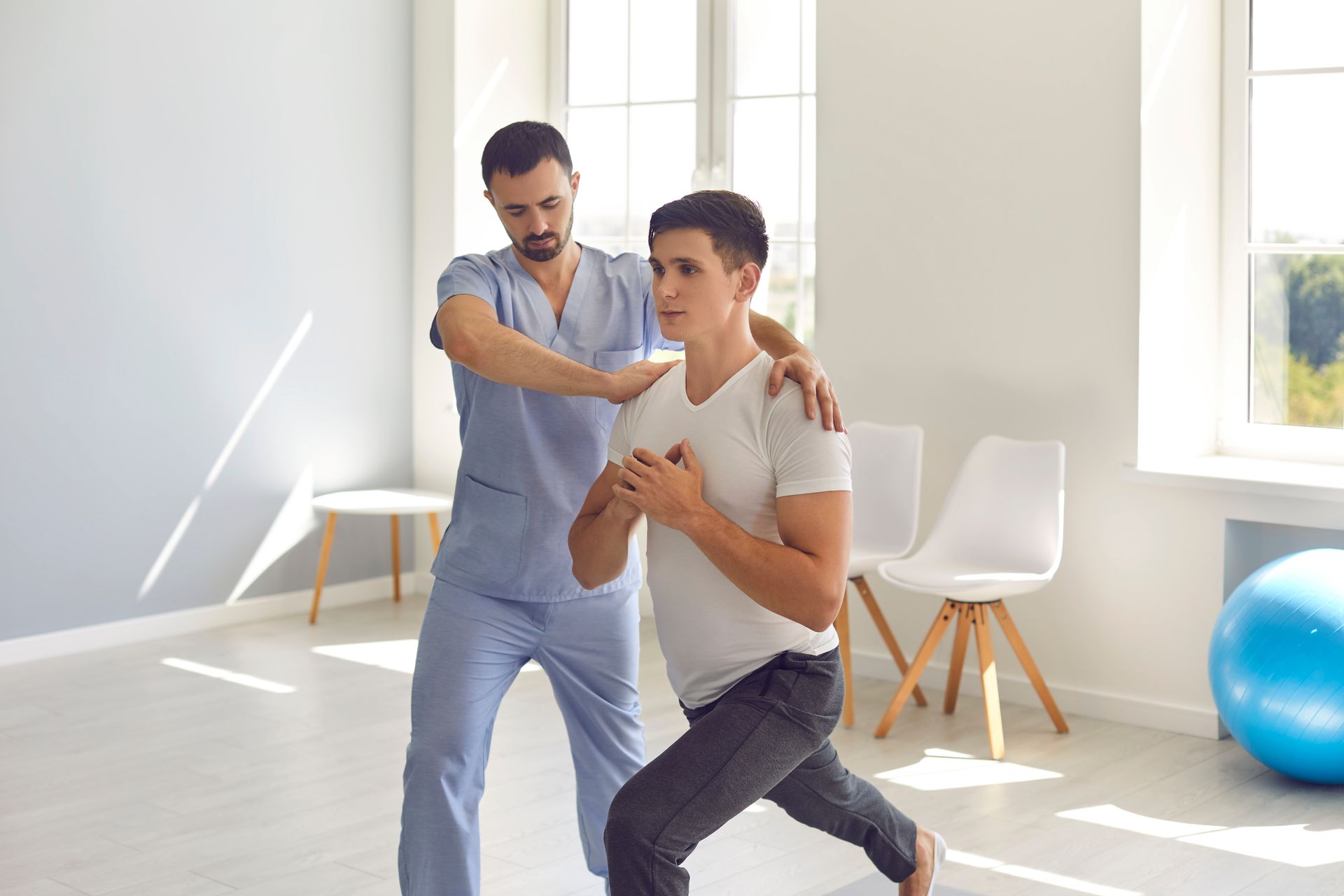
Physiotherapy can help improve strength, flexibility and confidence with movement. We use exercises that are specifically designed for people with osteoporosis and offer clear guidance on ways to reduce the risk of falls. Education forms an important part of each session so individuals understand how to move safely in daily life.
If you’d like to talk through whether this service may suit you, please call (07) 4153 6474.
What Our Clients Say
Supporting Safe Movement
Osteoporosis physiotherapy can support safer movement by strengthening key muscle groups and helping people understand how to reduce fracture risk during daily activities. At Bourbong Street Physiotherapy Centre, we guide exercises gradually so each person can work at a pace that feels manageable. We also explain how posture, balance and everyday movement patterns influence bone health over time.
We aim for:
- Exercises designed for osteoporosis & low-bone-density needs
- Guidance on safer movement strategies
- Education to support fall prevention
- Improved balance & functional strength
- A structured approach that adapts as confidence grows
This service can be part of a broader women’s health plan or general rehabilitation program. To learn more about how we can support your bone health, you’re welcome to contact our team.
How can physiotherapy support people with osteoporosis?
Physiotherapy can help people manage osteoporosis by focusing on strength, balance and safe movement patterns. We introduce exercises designed for low bone density and explain how daily tasks may influence fracture risk. Our goal is to support safer mobility and reduce the likelihood of falls through education and guided practice.
Is exercise safe if I have osteoporosis?
Exercise can be safe when appropriately selected and guided. We assess your movement, discuss your medical history and choose exercises that are suitable for your bone health. Strength, balance and posture training are introduced gradually. Any activity that may increase risk is avoided or modified to ensure safety throughout the program.
What should I expect during my first appointment?
During your first session, we discuss your symptoms, health history and any previous fractures. We then assess strength, posture and balance to understand how osteoporosis affects your movement. From there, we outline a structured plan that includes safe exercises and strategies to support everyday tasks. You can ask questions at any point.